Drainage problems are one of the most common and costly challenges faced by farmers across Wisconsin. From heavy spring snowmelt to long periods of rainfall, excess water can quickly turn productive farmland into soggy, unworkable soil. When fields stay wet too long, crops suffer, planting gets delayed, and yields can drop significantly.
Wisconsin farmers deal with unique soil and weather conditions that make proper farm drainage essential. Without reliable drainage systems, standing water, erosion, and nutrient runoff can create long-term damage to land productivity.
In this guide, we’ll explore the most common drainage problems affecting farms in Wisconsin, what causes them, and practical solutions that can help restore proper water flow. If your farm is experiencing persistent water issues, working with experienced professionals like JK Trenching can make a major difference in protecting your land and improving crop performance.
Why Drainage Problems Are Common in Wisconsin Farms
Drainage problems occur in many regions, but Wisconsin presents specific environmental challenges that increase the likelihood of water management issues.
Heavy Rainfall and Seasonal Snowmelt
Wisconsin receives consistent rainfall throughout the growing season, along with significant snowfall during winter months. When spring arrives, melting snow combines with early rains, creating saturated soil conditions.
This combination often leads to:
- Waterlogged fields
- Delayed planting schedules
- Reduced soil stability
- Increased risk of flooding
Fields that remain wet for long periods can limit equipment access and make it difficult to complete essential farming tasks on time.
Wisconsin Soil Types Create Drainage Challenges
Many areas of Wisconsin contain clay-heavy soils. Clay particles are small and tightly packed, which slows water movement and causes water to remain trapped in the soil.
Common soil-related drainage problems include:
- Clay soil drainage problems
- Compacted soil layers
- Poor water infiltration
- Standing water after rainfall
While sandy soils drain quickly, they may cause nutrient loss due to excessive runoff. Each soil type presents its own set of drainage concerns that require customized solutions.
Increasing Weather Variability
Recent years have seen more frequent extreme weather patterns, including heavy storms and sudden rainfall events. These weather shifts can overwhelm existing drainage systems and create new water management challenges.
Farmers must now plan for:
- Intense rainstorms
- Rapid snowmelt
- Fluctuating soil moisture levels
Proper drainage design is becoming more important than ever for long-term farm sustainability.
Top Drainage Problems Faced by Farmers in Wisconsin
Understanding the most common agricultural drainage issues can help farmers recognize early warning signs and take action before damage becomes severe.
1. Waterlogged Fields
Waterlogged soil is one of the most recognizable drainage problems. It occurs when excess water fills soil pores, leaving little room for oxygen.
When crops lack oxygen, roots cannot function properly. This often results in:
- Yellowing leaves
- Slow plant growth
- Root rot
- Reduced crop yields
Standing water in farm fields is often the first visible sign of waterlogging.
2. Surface Water Flooding
Surface flooding happens when rainwater cannot flow away from fields efficiently. This often occurs due to poor land grading or blocked drainage paths.
Common causes include:
- Improper field slope
- Blocked drainage ditches
- Inadequate surface drainage systems
- Heavy rainfall accumulation
Surface water drainage issues can create uneven soil moisture, making it difficult for crops to grow uniformly across the field.
3. Subsurface Drainage or Tile Problems
Subsurface tile drainage systems are widely used across Wisconsin farms. These underground pipes help remove excess water from soil. However, like any system, tile drainage can fail over time.
Typical tile drainage problems include:
- Cracked or collapsed pipes
- Sediment buildup
- Root intrusion
- Poor installation spacing
When tile systems fail, water begins to accumulate beneath the surface, leading to persistent wet soil conditions.
4. Soil Compaction Issues
Soil compaction occurs when heavy farm machinery presses soil particles tightly together. Compacted soil reduces pore space, making it harder for water to move downward.
Signs of compacted soil include:
- Slow water absorption
- Increased runoff
- Hard soil layers
- Poor root development
Compaction is a major contributor to long-term soil drainage problems.
5. Soil Erosion from Poor Drainage
When water flows across fields without proper control, it can carry away valuable topsoil. This erosion reduces fertility and damages crop performance.
Soil erosion can lead to:
- Loss of nutrients
- Uneven soil surfaces
- Reduced water retention
- Lower crop productivity
Managing drainage effectively helps prevent soil loss and maintain land health.
6. Nutrient Runoff and Water Contamination
Poor drainage often causes fertilizers and nutrients to wash into nearby streams or lakes. This not only wastes valuable nutrients but also harms surrounding ecosystems.
Excess runoff can result in:
- Increased fertilizer costs
- Environmental damage
- Reduced soil fertility
- Poor crop efficiency
Effective drainage management helps retain nutrients where they belong — in the soil.
7. Frozen Ground Drainage Problems
Winter conditions create unique challenges for Wisconsin farmers. Frozen soil prevents water from soaking into the ground, which leads to pooling and flooding during early spring.
This can cause:
- Water accumulation during thaw
- Delayed planting
- Increased soil erosion
Planning drainage systems that account for seasonal freezing is critical in this region.
Signs Your Farm Has Drainage Problems
Early detection of drainage problems can prevent costly repairs and crop loss. Farmers should regularly monitor their land for warning signs.
Common signs include:
- Standing water after rainfall
- Muddy fields that remain wet for days
- Uneven crop growth
- Delayed planting windows
- Soil crusting on the surface
- Equipment getting stuck in wet areas
If these symptoms occur repeatedly, it may indicate underlying drainage system failures that require professional attention.
How Drainage Problems Affect Crop Productivity
Poor drainage doesn’t just create inconvenience — it directly impacts farm profitability.
Reduced Crop Yields
When roots remain underwater for extended periods, plants struggle to absorb nutrients. This leads to stunted growth and smaller harvests.
Soil Structure Damage
Long-term saturation weakens soil structure. Over time, this can make fields harder to manage and less productive.
Increased Farming Costs
Drainage problems often lead to unexpected expenses, including:
- Equipment damage
- Replanting costs
- Lost crop production
- Soil restoration efforts
Fixing drainage issues early helps protect your investment and maintain steady yields.
Common Causes of Farm Drainage Problems
Understanding what causes drainage issues helps prevent them from happening again.
Poor Drainage System Design
Improper spacing or depth of drainage tiles can limit water movement. Poor planning often leads to recurring water problems.
Lack of Maintenance
Even well-designed systems require routine maintenance. Over time, debris and sediment can clog pipes and reduce efficiency.
Aging Drainage Infrastructure
Older drainage systems may deteriorate or collapse, leading to slow drainage or complete failure.
Improper Land Grading
Uneven land surfaces prevent water from flowing naturally. Grading adjustments can significantly improve surface water movement.
Practical Solutions to Fix Drainage Problems
Addressing drainage problems requires a combination of planning, installation, and maintenance.
Installing Subsurface Drainage Systems
Subsurface drainage systems remove excess water from below the surface. These systems help improve soil aeration and root development.
Benefits include:
- Reduced waterlogging
- Improved crop growth
- Increased soil productivity
- Faster field drying
Professional installation ensures proper spacing and long-term reliability.
Improving Surface Drainage
Surface drainage solutions help guide water away from fields efficiently.
Common methods include:
- Land grading adjustments
- Installing drainage ditches
- Adding culverts
- Creating controlled flow paths
These improvements reduce standing water and improve field access.
Maintaining Existing Drainage Systems
Regular maintenance is essential for keeping drainage systems working properly.
Maintenance tasks include:
- Inspecting tile lines
- Clearing blockages
- Repairing damaged pipes
- Monitoring water flow
Routine inspections prevent minor issues from becoming major problems.
Using Controlled Drainage Systems
Controlled drainage systems allow farmers to regulate water levels more precisely. This helps reduce runoff and protect nutrients.
These systems are becoming increasingly popular in areas with frequent rainfall and fluctuating water levels.
When to Call a Professional Drainage Contractor
Some drainage problems require specialized knowledge and equipment.
You should consider contacting a professional if:
- Flooding occurs regularly
- Standing water lasts several days
- Tile systems are damaged
- Large areas remain waterlogged
- Drainage repairs are complex
Experienced contractors like JK Trenching can assess soil conditions, design custom drainage systems, and ensure proper installation.
How JK Trenching Helps Wisconsin Farmers Solve Drainage Problems
Reliable drainage solutions require experience, precision, and proper equipment. JK Trenching provides customized agricultural drainage services designed to meet the specific needs of Wisconsin farms.
Customized Drainage Solutions
Every farm has unique soil conditions and layout requirements. Professional assessments help determine the best approach for improving drainage.
Customized solutions often include:
- Field evaluations
- Soil condition analysis
- Tailored drainage design
- Long-term water management planning
Advanced Equipment and Installation Techniques
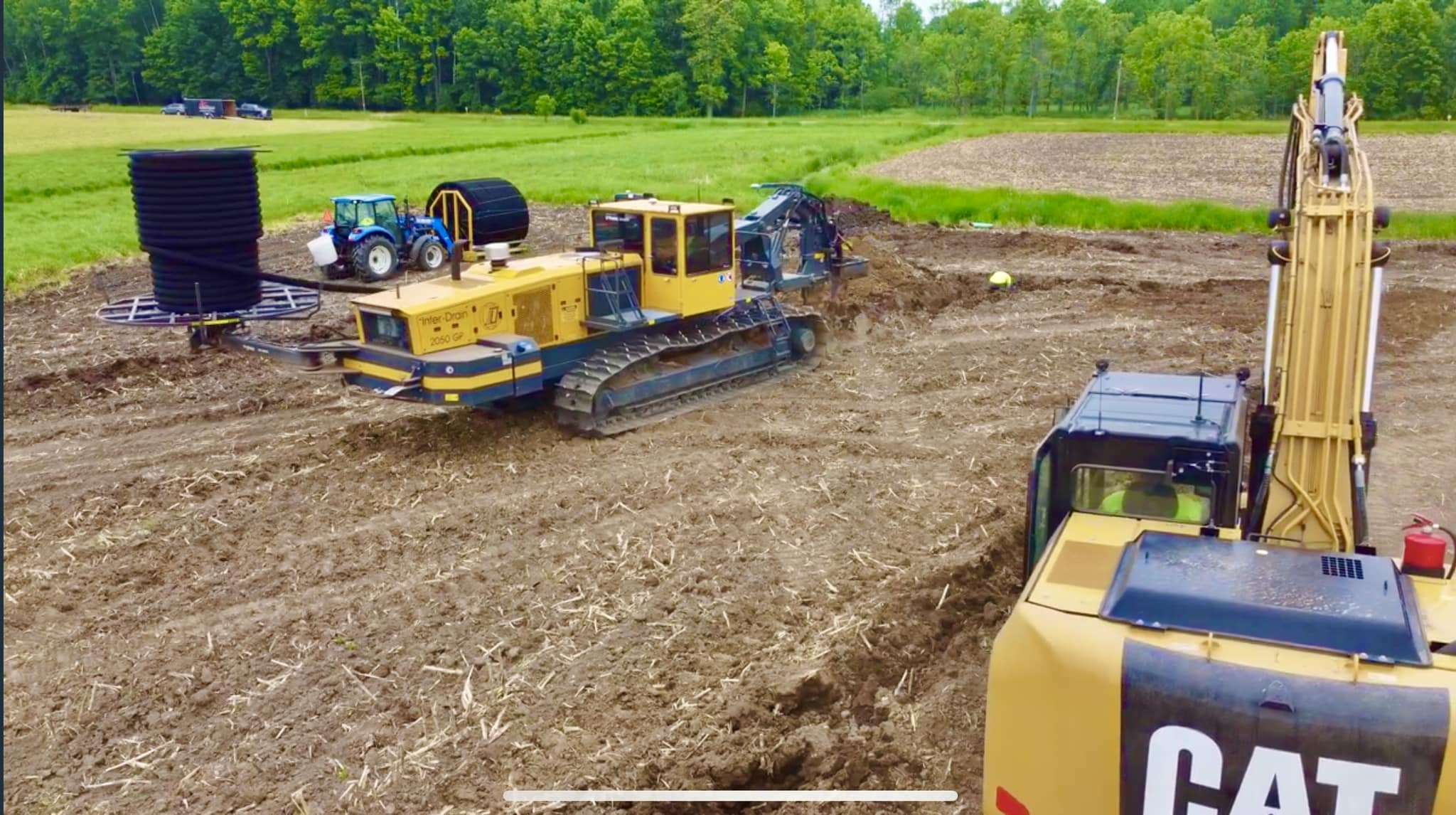
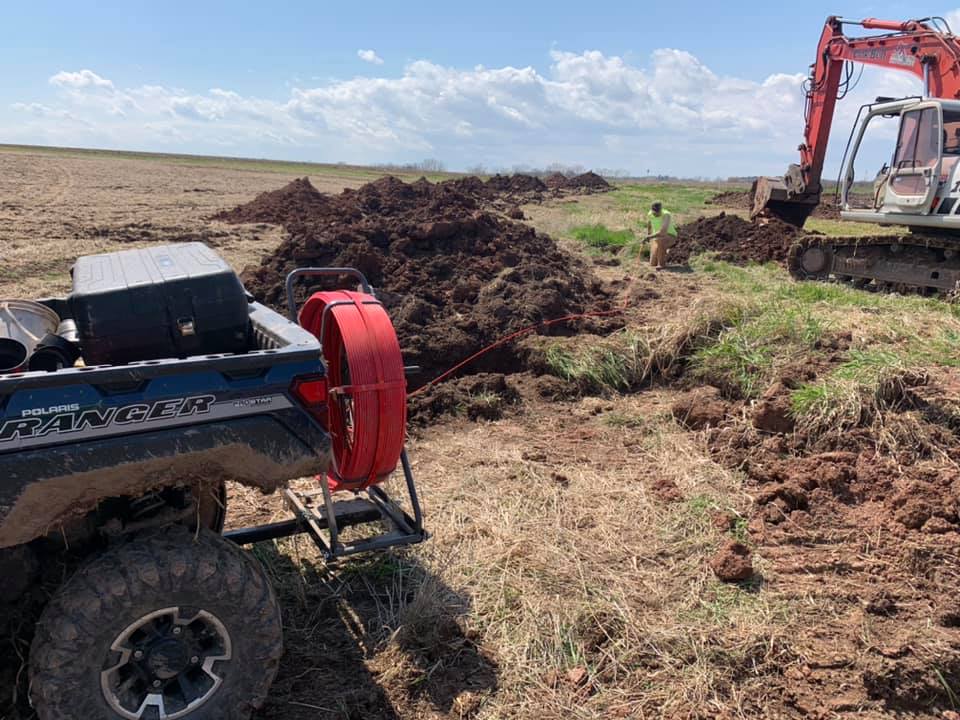
Modern trenching equipment allows for accurate installation and minimal soil disturbance. Proper installation ensures drainage systems operate efficiently for years to come.
Proven Results for Local Farms
Farmers who address drainage problems early often see:
- Improved crop yields
- Faster field drying
- Reduced erosion
- Increased land value
Working with knowledgeable professionals ensures that drainage systems are designed for long-term success.
Preventing Future Drainage Problems
Prevention is always more cost-effective than repair.
Schedule Regular Inspections
Routine inspections help identify problems before they escalate.
Maintain Soil Health
Healthy soil drains better and supports stronger root systems.
Keep Drainage Paths Clear
Blocked ditches and outlets can quickly cause flooding.
Plan for Changing Weather Conditions
Preparing for heavy rainfall helps protect fields from unexpected damage.
Frequently Asked Questions
What causes poor drainage in farm fields?
Poor drainage is typically caused by compacted soil, improper grading, blocked drainage systems, or aging tile infrastructure.
How do you fix drainage problems in agricultural land?
Solutions may include installing subsurface drainage systems, improving surface grading, or repairing damaged tile lines.
What is the best drainage system for farms?
The best system depends on soil type, land slope, and water levels. Professional evaluation helps determine the most effective solution.
How often should farm drainage systems be inspected?
Most systems should be inspected at least once per year to ensure proper performance.
Can poor drainage damage crops permanently?
Yes. Long-term waterlogging can damage roots, reduce yields, and weaken soil structure over time.
Conclusion
Drainage problems are a reality for many Wisconsin farmers, but they don’t have to limit productivity. With proper planning, maintenance, and professional installation, farms can stay productive even during challenging weather conditions.
Addressing water management issues early helps protect crops, preserve soil health, and reduce long-term expenses. If your fields are showing signs of poor drainage, working with experienced professionals can help restore balance and keep your land performing at its best.
JK Trenching provides reliable drainage solutions designed specifically for Wisconsin farms. Whether you need new installation, repairs, or system upgrades, professional support can help ensure long-term success.
Contact JK Trenching
Address: 705 Joshua St, Kaukauna, WI, 54130
Phone: 920-766-7431
Email: keith@jktrenching.com
For expert help with farm drainage problems in Wisconsin, contact JK Trenching today to schedule a consultation or drainage assessment.