
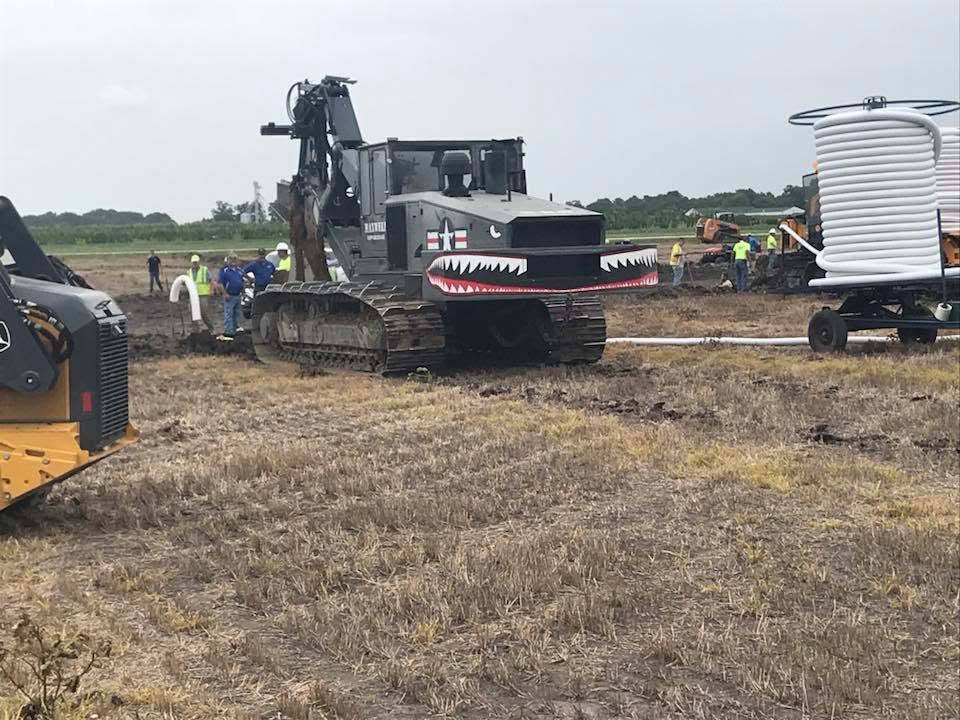
Custom drainage design in Wisconsin is one of the most important steps before installing drain tile on farmland. Every farm field handles water differently. Some fields have low spots that stay wet for days, while others deal with slow-draining soil, poor outlets, erosion, or old tile lines that no longer work properly.
For Wisconsin farmers, drain tile installation is a long-term investment. When it is planned correctly, it can help improve field access, reduce standing water, protect soil structure, and support healthier crop growth. But when tile is installed without a proper drainage design, the system may not solve the real water problem.
That is why many farms need a custom drainage plan before any tile goes into the ground.
Why Drain Tile Installation Should Start with a Drainage Plan
Installing drain tile is not just about placing pipe underground. A successful tile drainage system needs the right layout, depth, spacing, grade, outlet, and water flow direction. Without proper planning, even a new system can underperform.
Every Wisconsin Farm Has Different Drainage Needs
Each Wisconsin farm has different drainage needs. One field may need closer tile spacing because of heavy soil. Another may need a stronger main line to handle more water. Some farms may need ditch cleaning, outlet improvement, lift pump installation, or drain tile repair before a new system can work properly.
Poor Tile Layout Can Lead to Long-Term Problems
A poor tile layout can create problems such as slow drainage, wet pockets, overloaded tile mains, erosion, or water moving in the wrong direction. In some cases, farmers may spend money on drain tile installation in Wisconsin only to find that parts of the field still hold water after heavy rain.
A custom drainage design helps avoid these issues by building the system around the actual land conditions.
What Is Custom Drainage Design for Wisconsin Farms?
Custom drainage design is the process of evaluating a farm’s land, soil, slope, water movement, outlet options, and production goals before creating a tile drainage layout.
A Field-Specific Drainage Plan
Instead of using a one-size-fits-all approach, a drainage contractor studies how water behaves on the property. This may include a field inspection, GPS site survey, topographical mapping, water flow analysis, and tile layout planning.
What a Proper Drainage Design Determines
A proper design may determine:
- Where main tile lines should be placed
- Where lateral tile lines should connect
- How deep the tile should be installed
- How far apart tile lines should be spaced
- Where water should outlet safely
- Whether existing tile should be repaired or replaced
- Whether a lift pump is needed
- Whether ditch cleaning or erosion control is required
In simple terms, custom drainage design helps farmers install the right drainage system for their specific field conditions.
Why Is Custom Drainage Design Important in Wisconsin?
Wisconsin farms often face drainage challenges caused by seasonal rainfall, snowmelt, flat areas, clay-heavy soils, and changing field conditions. When excess water stays in the field, it can delay planting, reduce field access, increase soil compaction, and affect crop performance.
Better Water Movement After Rain
A well-designed farm drainage system helps move excess water away from the root zone more efficiently. This allows soil to dry faster after rain and helps farmers access their fields at better times during the season.
Improved Soil Health and Less Compaction
Poor drainage can also affect soil health. When farmers work wet fields, the soil can become compacted. Compacted soil makes it harder for roots to grow and can reduce water and air movement in the soil. Over time, this can create more stress for crops and make drainage problems worse.
With proper farm drainage in Wisconsin, farmers can better manage water, protect soil structure, and improve long-term field productivity.
What Problems Can Custom Drainage Design Help Prevent?
One of the biggest signs of poor drainage is standing water in low areas. If water remains in parts of the field long after rainfall, the field may need a better tile layout or improved water outlet.
Standing Water in Fields
Low spots need careful planning so water does not sit and damage crop roots. A custom drainage plan can help direct excess water toward the right tile lines, outlet, or drainage path.
Poor Crop Growth and Plant Stress
Waterlogged soil limits oxygen around the root zone and can increase plant stress. Over time, this can affect crop development and overall field performance.
Delayed Planting and Harvesting
Wet fields can keep equipment out of the field during important seasonal windows. Better drainage can help farmers access their fields more efficiently after rain.
Soil Compaction and Erosion
Working wet ground can damage soil structure and reduce long-term productivity. Uncontrolled surface water can also wash away soil and create erosion problems.
Underperforming Drain Tile
Old or poorly designed tile systems may need repair, replacement, or connection to a better layout. A custom drainage plan helps identify the real cause of these problems before installation begins.
How GPS Technology Improves Farm Drainage Design
Modern agricultural drainage in Wisconsin is much more accurate when GPS technology is used. A GPS site survey helps map field elevation, slope direction, low spots, and possible outlet points.
GPS Site Survey for Accurate Field Mapping
A GPS site survey gives the drainage contractor a clearer understanding of how water moves across the land. This helps identify elevation changes, low areas, and the best route for tile lines.
GPS Drainage Design for Better Tile Placement
GPS drainage design helps with accurate tile placement. When tile is installed at the right grade and depth, water can move more consistently through the system. This is especially important for flat fields or areas where small elevation changes can affect drainage performance.
GPS-Controlled Equipment for Better Installation
GPS-controlled plows and GPS-guided excavators help improve accuracy during installation. They allow the drainage system to follow the planned design more closely, reducing the risk of grade errors or uneven drainage.
For Wisconsin farmers, GPS-based drainage planning can help create a more reliable and efficient tile drainage system.
What Should Be Checked Before Drain Tile Installation?
Before installing drain tile, farmers should check several important factors.
Field Slope and Elevation
Field slope and elevation should be reviewed to understand where water naturally flows. This helps determine the direction and layout of the tile system.
Soil Type and Drainage Speed
Soil type should be considered because different soils drain at different speeds. Heavy or clay-based soils may need a different tile layout than lighter soils.
Existing Tile Lines
Any existing tile lines should be checked to see whether they can be repaired, replaced, or connected to a new system.
Outlet Location and Capacity
Outlet location is also important. A drainage system needs a reliable and legal place for water to go. If gravity drainage is not possible, a lift pump may be needed.
Local Rules and Wetland Considerations
Farmers should also consider local drainage rules, wetlands, and any required approvals before beginning a drainage project. Planning ahead helps avoid problems during or after installation.
Why Choose JK Trenching LLC for Custom Drainage Design in Wisconsin?
With over 25 years of experience, JK Trenching LLC provides custom drainage design in Wisconsin for farmers who need reliable drain tile installation, GPS site surveys, ditch cleaning, drain tile repair, and farm drainage solutions.
Local Wisconsin Farm Drainage Experience
Based in Kaukauna, WI, JK Trenching LLC serves farms across Wisconsin, including Northeast Wisconsin, Freedom, WI, and surrounding agricultural communities. The company understands the challenges farmers face with wet fields, poor drainage, soil issues, erosion, and water management.
Complete Farm Drainage Services
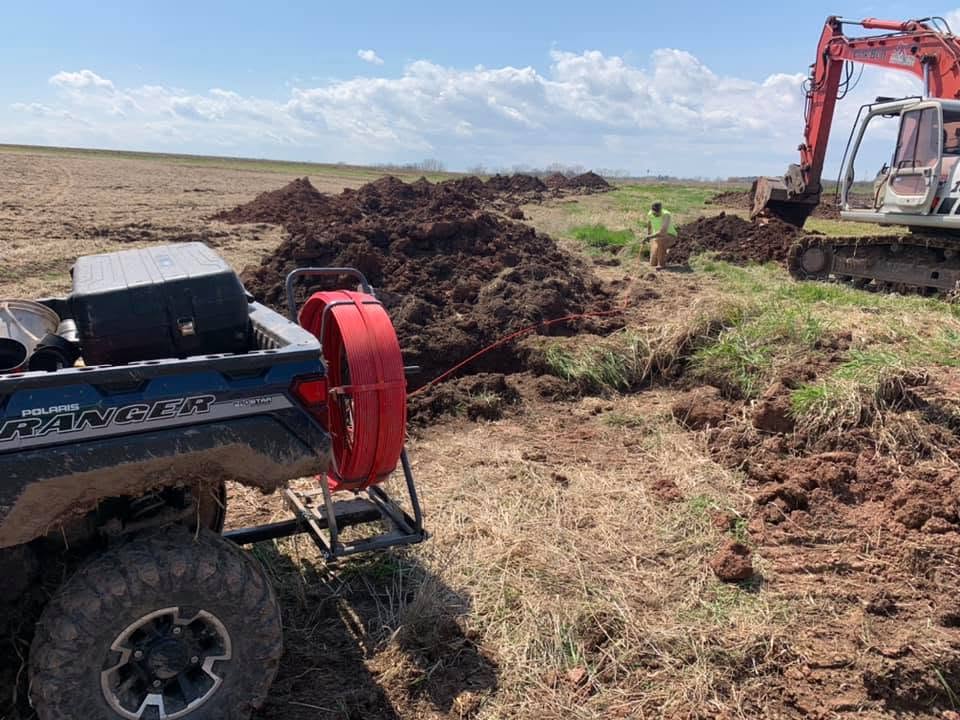
JK Trenching LLC offers custom design services, GPS site surveys, GPS-controlled plow work, GPS-guided excavator services, ditch cleaning, drain tile installation, drain tile repair, and lift pump installation.
Custom Solutions Instead of Generic Layouts
Instead of using a generic layout, JK Trenching LLC focuses on practical, field-based solutions that support better long-term drainage performance. Their team uses local experience and GPS-guided equipment to help farmers build drainage systems designed around the specific needs of their land.
FAQs About Custom Drainage Design and Drain Tile Installation
What is the best drainage system for Wisconsin farms?
The best drainage system depends on the farm’s soil type, slope, outlet access, water problems, and crop needs. A custom drainage design helps determine the right solution.
How do I know if my farm needs drain tile?
Common signs include standing water, delayed planting, soft field areas, poor crop growth, erosion, and wet spots that remain after rain.
Is GPS drainage design worth it?
Yes. GPS drainage design helps improve accuracy, tile grade, water flow, and long-term drainage performance.
Can poor drainage reduce crop yield?
Yes. Poor drainage can cause waterlogged soil, root stress, field access delays, plant disease pressure, and soil compaction.
Who provides custom drainage design in Wisconsin?
JK Trenching LLC provides custom drainage design, GPS site surveys, drain tile installation, drain tile repair, ditch cleaning, and agricultural drainage solutions for farms across Wisconsin.
Final Thoughts
Custom drainage design is not an extra step. For many Wisconsin farms, it is the step that determines whether a drain tile system works properly for years. A well-designed system can help reduce standing water, improve field access, protect soil health, support better crop growth, and increase long-term farmland value.
Before installing drain tile, Wisconsin farmers should work with an experienced drainage contractor who understands local farmland conditions and uses accurate GPS-based planning.
Contact JK Trenching LLC
Need better drainage performance before your next growing season? Contact JK Trenching LLC for expert custom drainage design in Wisconsin, GPS site survey, drain tile installation, drain tile repair, ditch cleaning, and farm drainage solutions.
JK Trenching LLC
- Phone: 920-766-7431
- Email: keith@jktrenching.com or jeff@jktrenching.com
- Address: 705 Joshua St, Kaukauna, WI 54130
- JK Trenching LLC on Google Maps
Call today to request a free estimate and get a drainage plan designed for your farmland.