A field that stays wet days after rainfall can cost farmers valuable planting time, reduce crop performance, and create ongoing equipment challenges. For many Wisconsin farmers, poor drainage is not just a water issue—it is a productivity issue. Heavy rainfall, spring snowmelt, compacted soil, and uneven land conditions can all contribute to excess moisture problems.
Effective farm drainage in Wisconsin helps farmers manage water levels, improve soil conditions, protect crops, and maintain productive farmland throughout changing weather conditions. Recognizing drainage problems early allows farmers to take action before water issues impact yields and daily operations.
JK Trenching LLC provides professional agricultural drainage solutions designed around the unique needs of Wisconsin farms. With decades of experience, advanced GPS technology, and customized planning, the company helps farmers improve field conditions and create long-term drainage solutions.
Why Proper Farm Drainage Matters for Wisconsin Farmers
Proper water management is essential for maintaining healthy agricultural land. When excess moisture remains in fields, it can create problems that affect crop growth, equipment movement, and overall farm productivity.
Prevents Standing Water and Soil Saturation
One of the most common signs of poor drainage is standing water that remains in fields long after rainfall. When soil stays saturated for extended periods, plant roots receive less oxygen, which can negatively affect crop development.
Professional agricultural drainage in Wisconsin helps remove excess water while maintaining the right moisture balance needed for healthy crops. A properly designed drainage system allows fields to recover faster after heavy rain and reduces areas where water collects.
Improves Crop Growth and Field Productivity
Healthy crops require balanced moisture conditions. Fields with poor drainage often experience uneven growth because certain areas remain too wet while others perform normally.
Improved drainage helps create more consistent soil conditions, supports stronger root development, and allows crops to access nutrients more effectively. For farmers looking to improve productivity, investing in reliable farm drainage solutions in Wisconsin can provide long-term benefits.
Protects Your Long-Term Farm Investment
Poor drainage can create problems beyond crop performance. Excess water can contribute to soil erosion, restrict field access, and increase the risk of soil compaction caused by heavy equipment operating in wet conditions.
A professionally designed drainage system helps protect farmland quality and reduces future maintenance challenges.
7 Signs Your Wisconsin Farm Needs Better Drainage
1. Standing Water Remains in Your Fields After Rainfall
If water continues to collect in low areas of your farm several days after rainfall, it may indicate an underlying drainage problem.
Common causes include:
- Poor soil absorption
- Compacted soil layers
- Uneven field elevation
- Insufficient drainage systems
Repeated standing water can delay planting, damage crops, and reduce usable field space. Farmers experiencing these issues should consider professional wet farmland drainage solutions.
2. Crops Show Uneven Growth or Reduced Yield
Uneven crop performance across the same field is another warning sign of drainage problems. Areas with excessive moisture may show weaker plants, slow growth, or lower yields compared to better-drained sections.
When water remains around plant roots for too long, crops may struggle to absorb oxygen and nutrients properly. Improving drainage can create more uniform growing conditions and help maximize agricultural productivity.
3. Your Soil Stays Wet During Planting Season
Planting windows are critical for farmers. When fields remain wet for extended periods, planting may be delayed and crop schedules can be affected.
Entering wet fields too early can also cause soil compaction, making future drainage problems worse. A properly designed farm drainage system helps improve soil conditions and allows farmers to operate more efficiently during important seasons.
4. Farm Equipment Gets Stuck or Creates Deep Tracks
Frequent equipment problems are often a sign that water is not moving properly through your fields.
Muddy areas can:
- Slow down field operations
- Damage soil structure
- Increase equipment wear
- Create additional compaction issues
Better drainage improves field accessibility and allows machinery to operate more effectively.
5. Existing Drain Tile Systems Are Not Working Properly
Many Wisconsin farms depend on drainage tile systems to control underground water. However, older systems can become damaged, blocked, or less effective over time.
Signs your drainage tile system may need attention include:
- Water pooling in areas that previously drained well
- Slow water movement
- Repeated wet spots
- Uneven field drainage
Professional drain tile repair in Wisconsin can restore system performance. For farms without adequate drainage infrastructure, new drain tile installation in Wisconsin may provide a long-term solution.
6. Ditches and Drainage Areas Are Blocked
Drainage systems rely on clear pathways for water movement. Overgrown vegetation, sediment buildup, and debris can reduce drainage efficiency.
Regular maintenance, including professional ditch cleaning services, helps maintain proper water flow and prevents drainage problems from becoming worse.
7. Different Areas of Your Farm Have Different Drainage Problems
Every farm has unique drainage challenges based on soil type, elevation, field layout, and water movement patterns.
A solution that works for one property may not work for another. A professional farm drainage contractor in Wisconsin can evaluate your land and recommend a customized approach based on your specific conditions.
How Professional Farm Drainage Solutions Can Help
When drainage problems affect your farm, professional solutions can improve water control, field performance, and long-term productivity.
Drain Tile Installation for Better Water Management
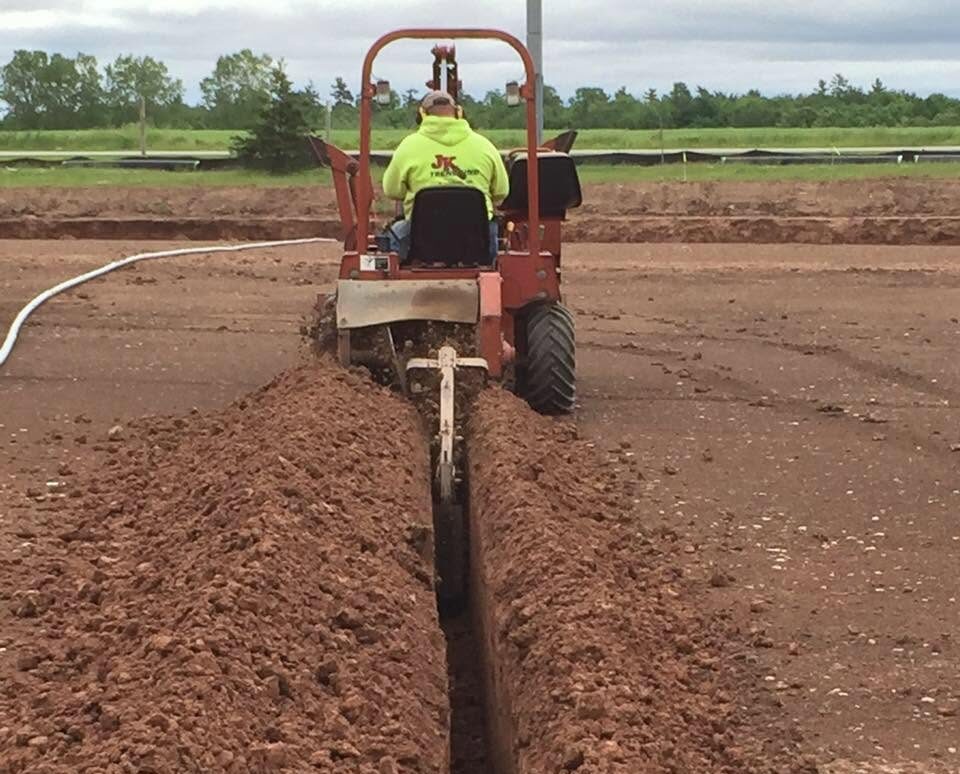
Drain tile installation is one of the most effective methods for managing excess water on agricultural land. Underground drainage systems help move unwanted moisture away from crop areas while maintaining healthier soil conditions.
JK Trenching LLC designs and installs drainage systems based on each farm’s requirements, helping farmers create more productive and manageable fields.
GPS-Guided Excavation and Precision Drainage Design
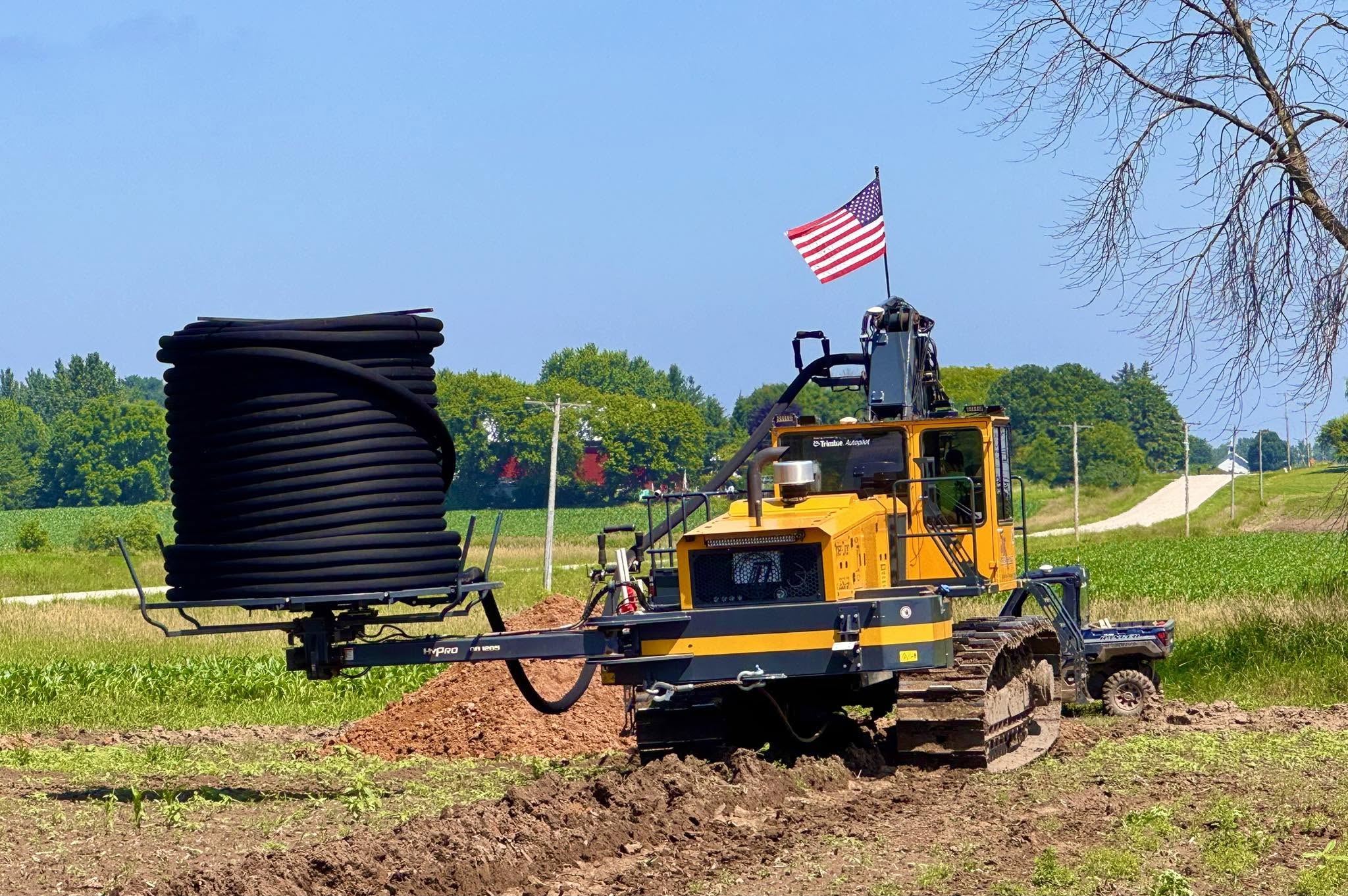
Modern technology has transformed agricultural drainage installation. GPS-guided equipment allows contractors to improve accuracy, maintain proper installation depth, and create more efficient drainage layouts.
With GPS-guided excavation in Wisconsin, JK Trenching LLC provides precision-focused solutions that minimize unnecessary disruption while improving drainage performance.
Drain Tile Repair and Maintenance
Even quality drainage systems require maintenance over time. Repairing damaged sections early can help extend system life and prevent larger drainage issues.
Regular evaluation helps identify problems before they affect crop production or farm operations.
Why Wisconsin Farmers Choose JK Trenching LLC
JK Trenching LLC has been serving Wisconsin farmers since 1996, providing dependable drainage and trenching solutions backed by decades of experience.
More Than 25 Years of Experience
As a family-owned company, JK Trenching LLC understands the challenges local farmers face, including Wisconsin weather conditions, soil issues, and seasonal water management concerns.
Their experience allows them to recommend practical solutions designed for real agricultural needs.
Advanced Equipment and Precision Technology
JK Trenching LLC uses advanced equipment, including GPS-controlled plows and GPS-guided excavation technology, to improve installation accuracy and efficiency.
Precision equipment helps ensure drainage systems are installed correctly and perform effectively.
Customized Drainage Solutions
No two farms are exactly the same. JK Trenching LLC focuses on custom drainage design based on field conditions, water flow, and long-term farming goals.
When Should You Contact a Farm Drainage Contractor in Wisconsin?
Farmers should consider contacting a drainage specialist when they notice:
- Standing water after rainfall
- Delayed planting due to wet conditions
- Declining crop performance
- Repeated drainage failures
- Equipment access problems
- Areas that remain consistently saturated
Addressing drainage problems early can help protect your farmland and prevent more expensive issues in the future.
Improve Your Farm’s Drainage With JK Trenching LLC
If your Wisconsin farm struggles with excess water, wet fields, or inconsistent crop performance, JK Trenching LLC can help. With decades of experience providing professional farm drainage in Wisconsin, the company delivers customized drainage solutions using advanced technology and proven installation methods.
Whether you need drain tile installation, drainage repair, ditch cleaning, GPS-guided excavation, or a complete drainage assessment, JK Trenching LLC can design a solution that fits your property.
Contact JK Trenching LLC Today
- Phone: 920-766-7431
- Email: keith@jktrenching.com or jeff@jktrenching.com
- Address: 705 Joshua St, Kaukauna, WI 54130
- JK Trenching LLC on Google Maps
Schedule a consultation today and discover how professional drainage solutions can help improve your farmland’s productivity.
Frequently Asked Questions About Farm Drainage in Wisconsin
How do I know if my Wisconsin farm needs drainage improvement?
Common signs include standing water, slow-drying fields, poor crop growth, delayed planting, and difficulty operating equipment after rainfall.
How much does farm drainage cost in Wisconsin?
The cost depends on factors such as acreage, soil conditions, drainage design, installation requirements, and the type of system needed. A professional site evaluation provides the most accurate estimate.
Is drain tile installation worth it for Wisconsin farms?
For farms with recurring water problems, drain tile installation can be a valuable investment by improving soil conditions, field access, and crop consistency.
How long do agricultural drainage systems last?
The lifespan depends on installation quality, materials, soil conditions, and regular maintenance. Properly designed systems can provide reliable performance for many years.