
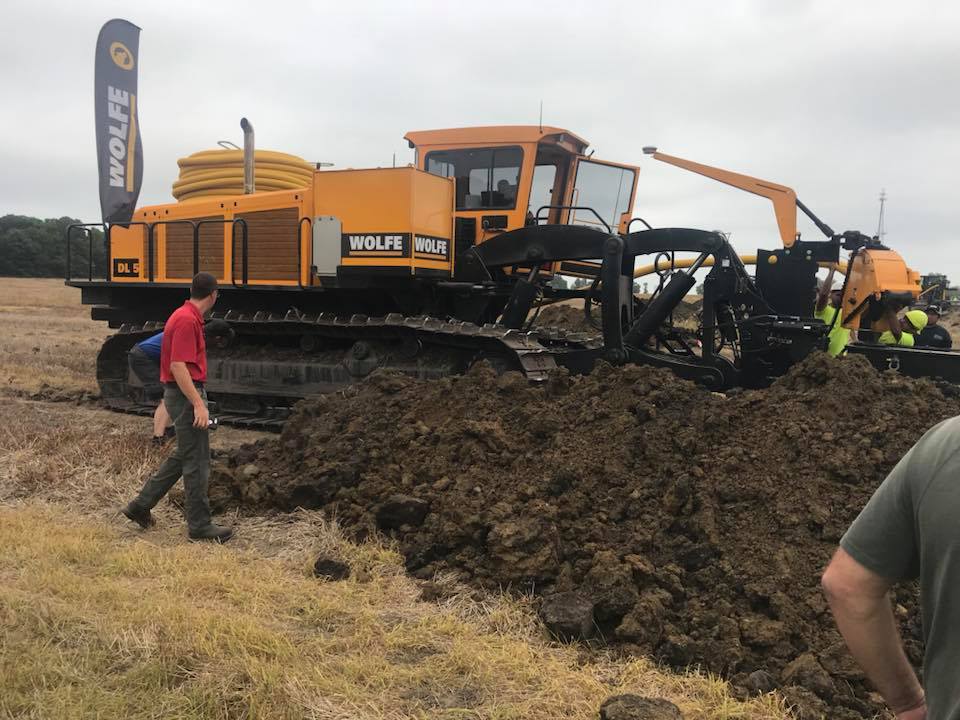
Efficient drainage can make or break a growing season. For farms across the state, well-designed trenching and drainage systems prevent waterlogging, reduce soil erosion, and boost yields. This guide covers practical, actionable tips for getting the most from agricultural trenching services in Wisconsin, with a focus on best practices, local considerations, and how JK Trenching delivers dependable results.
Why Good Drainage Matters for Wisconsin Farms
Too much water limits oxygen around roots, compacts soil, and creates conditions for disease. With our region’s variable spring and summer weather, fields that look fine one week can be soggy the next. Strategic trenching addresses those problem spots by removing excess water, improving soil structure, and creating consistent conditions for crops to thrive.
Benefits to highlight in your blog:
- Faster field access after rain.
- Improved root growth and nutrient uptake.
- Reduced erosion and fewer fertilizer losses.
- Higher, more consistent yields over time.
What “Agricultural Trenching Services” Really Means
Agricultural trenching services include the planning, excavation, installation, and maintenance of drainage solutions tailored to farmland. Typical components are:
- Drain tile systems that move water below the surface.
- Open ditches and contouring to direct surface flow.
- French drains or specialty subsurface drains for problem areas.
- Ditch cleaning and repair to maintain capacity.
When you write about these services, use clear definitions and comparisons so readers understand when trenching is the right solution versus other drainage fixes.
Tips 1 — Start with a Detailed Site Assessment
A proper assessment is the foundation of efficient drainage. Collect these inputs during planning:
- Soil type and infiltration rates.
- Field contours and natural drainage paths.
- Historical wet spots and crop performance data.
- Tile outlet locations and downstream capacity.
Use maps and photos in your blog to show examples. Emphasize that a one-size-fits-all approach doesn’t work—every parcel needs a custom plan.
Tips 2 — Match the Drainage Type to the Land and Crop
Not every field needs the same system. Discuss these options and when to use them:
- Drain tile installation for large, flat fields with poor subsurface drainage.
- Open ditches where surface runoff is the main issue.
- Spot trenching and French drains for localized wetness near roads, barns, or low spots.
Explain tradeoffs: installation cost, maintenance frequency, and impact on field operations. This helps readers choose what’s right for their situation.
Tips 3 — Use GPS and Precision Equipment for Accuracy
Modern trenching relies on GPS-guided machinery that keeps lines straight, depths consistent, and materials used efficiently. When precision equipment is used:
- Installation time drops.
- Material waste decreases.
- System performance improves because lines flow as designed.
Include a short section describing GPS-guided trenching benefits and how precision reduces rework. Local farmers respond well to technology talk when it’s tied to real savings.
Tips 4 — Plan for Proper Outlet and Downstream Capacity
A common mistake is installing tile without confirming where the water will go. Always:
- Verify outlet locations and obtain any needed permits.
- Confirm downstream ditches or fields can accept the flow.
- Install lift pumps or routing solutions when gravity outlets are not available.
Cover practical checks farmers should ask trenching contractors to perform before work starts.
Tips 5 — Don’t Skimp on Depth and Slope
Drain performance depends on proper depth and slope. Too shallow and the tile won’t drain effectively. Uneven slope can cause backups and sediment buildup. Recommend these steps:
- Follow engineering specs for depth based on soil and crop needs.
- Use laser or GPS grade control to maintain consistent slope.
- Include cleanouts and access points for future maintenance.
Showing a simple diagram or before-and-after photos in the blog helps readers visualize the difference.
Tips 6 — Schedule Routine Maintenance and Ditch Cleaning
A high-performing system needs care. Include a maintenance checklist:
- Annual inspections in spring and after heavy rains.
- Ditch cleaning to remove sediment and vegetation.
- Check tile outlets and cleanout access points.
- Repair damaged tile and stabilize eroded banks.
Explain signs that indicate a failing system: slow drainage, new wet patches, or increased crop stress.
Tips 7 — Consider Soil Health and Environmental Best Practices
Good drainage and soil health go hand in hand. Encourage regenerative practices:
- Avoid over-tiling small areas that would be better served with controlled drainage.
- Use buffer strips and sediment traps to limit nutrient loss.
- Coordinate trenching plans to minimize disturbance and promote quick vegetation recovery.
Local readers will appreciate the balance between productivity and stewardship.
Tailoring Services to Nearby Towns and Farms
Local expertise matters. Mentioning service areas and community ties builds trust. For example, JK Trenching serves farms across the region, including communities such as Freedom and the surrounding agricultural corridors near Appleton. Local knowledge ensures designs account for micro-climates, soil variations, and county drainage rules.
Common Mistakes to Avoid (Use These as Quick Bullets)
- Skipping a professional site survey.
- Installing tile without a verified outlet.
- Choosing the cheapest materials without considering longevity.
- Failing to provide access for future maintenance.
- Ignoring local permitting and watershed rules.
These quick tips are excellent for scannability and can be turned into social posts.
Frequently Asked Questions
How much does agricultural trenching cost?
Costs vary by field size, soil type, system complexity, and materials. Offer a free site assessment to provide an accurate estimate. In the blog, present a realistic cost range and explain factors that push a job higher or lower.
How long does installation take?
Small projects can take a day or two. Larger tile systems may require several days to a few weeks depending on weather and scale. Emphasize scheduling windows and the importance of working during suitable soil conditions.
Will trenching damage my fields?
Properly executed trenching uses modern equipment and restorative grading to minimize disruption. Outline standard restoration steps such as topsoil replacement and settling time before heavy traffic returns.
Do trenching services include maintenance?
Many contractors offer maintenance packages. Recommend bundling installation with a maintenance plan to protect the investment.
Why Choose Local, Experienced Professionals
Selecting a contractor with local track record, the right equipment, and clear communication reduces risk. Highlight these differentiators:
- Proven experience with regional soil and weather patterns.
- GPS and precision equipment for consistent installations.
- Transparent estimates and clear timelines.
- Ongoing support and maintenance options.
This is where you reinforce JK Trenching’s strengths—experience, technology, and local commitment—without overselling.
Conclusion
Efficient farm drainage is essential for protecting soil health, improving crop yields, and ensuring long-term farm productivity. Investing in professional agricultural trenching services in Wisconsin can make a noticeable difference, especially when the work is done with precision, modern equipment, and local expertise. JK Trenching combines over 25 years of experience with GPS-guided trenching, custom drainage planning, and reliable maintenance to deliver solutions tailored to each farm’s unique needs.
By prioritizing proper assessment, smart system design, and ongoing care, Wisconsin farmers can prevent waterlogging, reduce erosion, and maximize their fields’ potential. For those ready to improve their drainage and enhance their farm’s efficiency, contacting a trusted local expert like JK Trenching is the first step toward a healthier, more productive farm.
Contact JK Trenching Today:
- Phone: (920) 766-7431
- Email: keith@jktrenching.com
- Address: 705 Joshua St, Kaukauna, WI 54130