
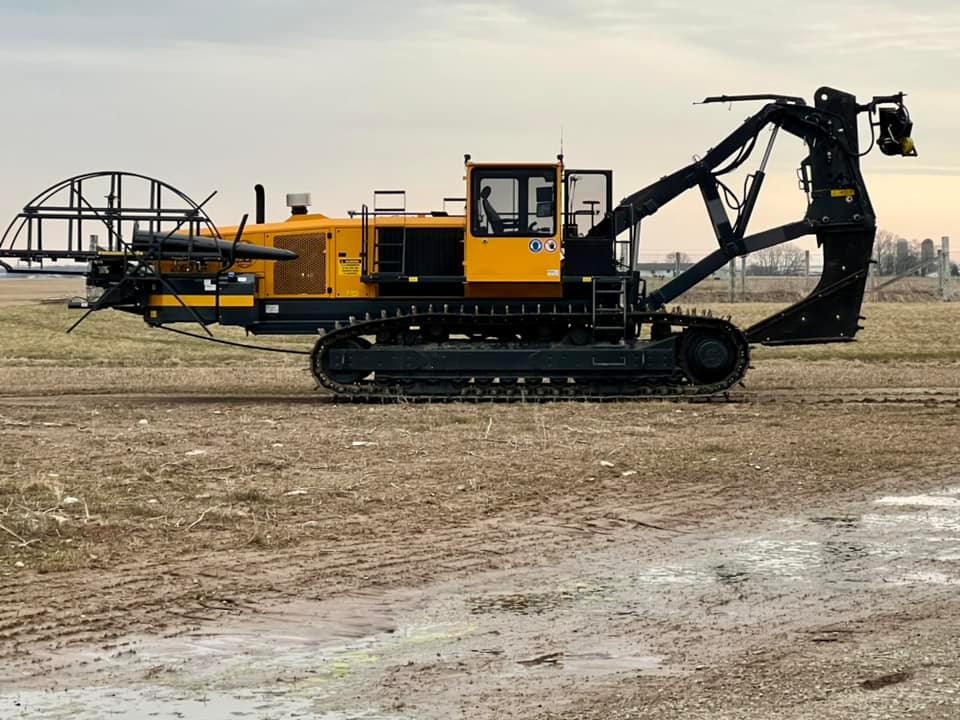
When farmland needs reliable water management, precision matters. JK Trenching’s Expert GPS Controlled Plow Service in Wisconsin combines modern GPS guidance with experienced operators to install, repair, and maintain farm drainage systems that protect yields and soil health. Below is a clear, step-by-step guide to how a GPS-controlled plow job works, why it’s better than older methods, and what farmers in Wisconsin should expect when hiring JK Trenching.
Why GPS Controlled Plowing is The Smart Choice for Wisconsin Farms
Tile drainage and trenching are investments — they must be precise, durable, and placed where they do the most good. GPS-controlled plow systems give you:
- Accuracy in alignment and depth so water movement is predictable and consistent.
- Faster installation compared with manual staking and sight-line methods.
- Less soil disturbance and more consistent trench shape for better tile performance.
- Data logging and repeatable results for planning future drainage or repairs.
JK Trenching emphasizes these benefits in its GPS Controlled Plow offering and pairs the technology with decades of field experience to ensure a quality outcome. They serve farms across Wisconsin from their base in Freedom/Kaukauna areas.
Overview: The Full GPS Controlled Plow Process (High Level)
Below is a practical, sequential view of the whole job — useful whether you’re comparing bids or preparing your fields.
- Initial contact and estimate
- Site assessment and design
- Pre-work field prep
- GPS setup and programming
- Plow trenching and tile placement
- Quality checks, surface restoration, and cleanup
- Follow-up and maintenance planning
Each step matters. Read on for specific tasks within each phase, what the crew will do, and what you should expect as the landowner.
Step 1 — Request a Free Estimate and Talk Scope
JK Trenching offers free estimates and is reachable by phone or email. When you call, be ready to share:
- Field size and rough layout
- Any known tile locations or problem areas
- Your goals (reduce standing water, reclaim low spots, improve yield)
- Accessibility (yarding, turns, tile truck access)
A good initial estimate sets expectations for cost, timeline, and the level of site work needed.
Step 2 — Site Assessment and Custom Design
Before machines arrive, JK Trenching typically performs a site assessment. This can include:
- Walk-over inspections and review of existing drainage
- Surveying or GPS site survey to map elevations and grade
- Designing drain runs, outlet points, and spacing according to soil type and crop needs
A GPS site survey is a common part of modern drainage projects and helps the crew program exact lines into the GPS-controlled plow. JK Trenching lists GPS site survey and custom design among its services, allowing tailored systems rather than one-size-fits-all approaches.
Step 3 — Field Preparation and Logistics
Good prep keeps the job moving. Typical pre-work items include:
- Removing fences or obstacles in the plow path (temporary)
- Marking any utilities or tile lines you know about
- Ensuring vehicular access for trenching equipment and tile trucks
- Scheduling around weather and field conditions (too wet can compact soil and damage fields)
JK Trenching’s equipment and experience help reduce collateral damage, but proper access and timing on your part will speed the job and minimize costs.
Step 4 — GPS Setup and Programming (What Happens on Day One)
This is the technical heart of a GPS-controlled plow job:
- The project design (lines and elevations) is uploaded to the plow’s guidance system.
- Operators set target depths and offsets so trenches meet the engineered grade.
- The system is calibrated in the field with reference points to ensure absolute accuracy.
Why this matters: unlike eyeballing or string lines, GPS systems ensure the trench follows the designed grade across varied terrain, preserving tile slope and outflow performance. JK Trenching combines that GPS tech with experienced operators for consistent installs.
Step 5 — Trenching and Tile Installation
With GPS guiding the plow, the crew performs the core work:
- The GPS-controlled plow cuts the trench at the programmed depth and alignment.
- Tile or drain pipe is placed directly into the trench (or fed behind a plow, depending on method).
- Ends and outlets are secured; any necessary fittings are installed.
Common install types include standard tile drains for field systems and targeted repairs or additions to existing networks. Precision placement reduces waste and improves long-term performance.
Step 6 — Quality Control, Grading, and Cleanup
After trenching and tile placement:
- The crew verifies grade and uniformity along the runs (GPS data and physical checks).
- Surface passes are made to minimize ruts and regrade disturbed soil.
- Any removed fences, gate posts, or obstructions are returned to working order.
- The crew will also log work data, which helps if you later want to add more drains or service the system.
JK Trenching highlights reduced soil disturbance and consistent results as advantages of GPS-guided trenching — factors you’ll see on cleanup day.
Step 7 — Follow-Up, Maintenance, and Warranty Considerations
A completed install still benefits from post-project oversight:
- Ask about maintenance schedules — keeping outlets clear and inspecting key lines is important.
- Keep the project documentation (maps, GPS logs) for future expansions or repairs.
- Discuss any warranty or guarantee terms with the contractor.
JK Trenching’s approach uses data logging (a GPS benefit) to make future maintenance and expansions easier.
How GPS-Guided Excavators and Site Surveys Complement Plow Work
For complex jobs or tight areas, JK Trenching also offers GPS-guided excavator services and site surveys. These services help with:
- Outlet construction and heavy earthwork where a plow won’t reach
- Detailed elevation mapping for larger redesigns
- Integrating drainage with other improvements (roads, terraces, embankments)
Combining GPS plow with precision excavation ensures the whole drainage plan works as a system, not just a set of lines.
Practical Tips for Landowners Before the Crew Arrives
- Mark tiles you know already exist and share maps with the contractor.
- Communicate preferred access points and parking for trucks and tractors.
- Plan for field traffic after installation — heavy equipment can compact wet fields.
- Save all job maps and GPS logs in case you add more drains later.
Being proactive helps the crew work faster and keeps your crop ground in better shape afterward.
Why Choose JK Trenching for GPS Controlled Plow in Wisconsin?
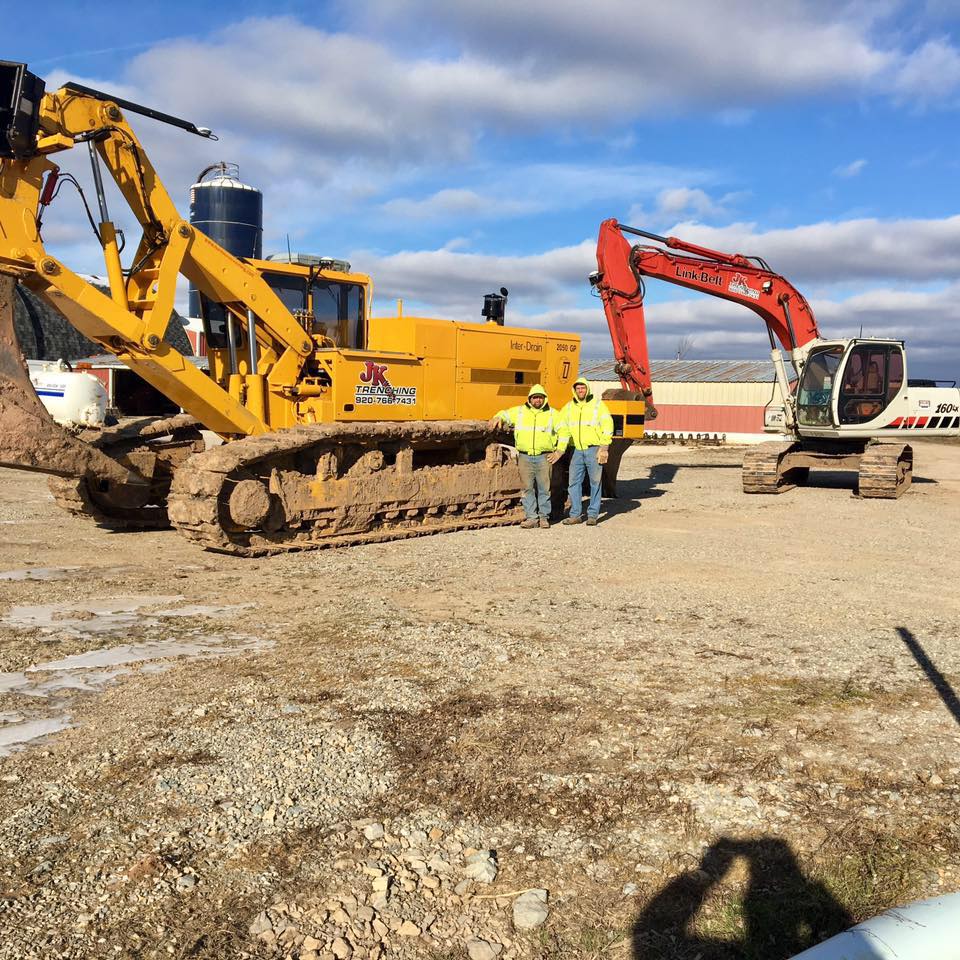
JK Trenching is a family-run company operating in Freedom/Kaukauna and serving farms across the state. They pair over 25 years of experience with GPS-driven equipment and related services like GPS site survey and GPS-guided excavator work. They advertise free estimates, full insurance, and a focus on farm drainage systems built for modern precision farming. If you want local expertise plus up-to-date technology, JK Trenching is positioned to deliver those two elements together.
Final Checklist Before You Hire
- Ask for references or reviews from nearby Wisconsin farms.
- Confirm insurance and warranty details.
- Request a site design map and GPS logs after the job.
- Verify cleanup and access restoration expectations.
JK Trenching publishes reviews and gallery examples online — reviewing those and asking for recent job photos will help you feel confident in the crew you hire.
Ready to Get Started?
If you’d like a free estimate or to discuss a GPS-controlled plow project, contact JK Trenching at 920-766-7431 or by email (keith@jktrenching.com / jeff@jktrenching.com). They serve farms across Wisconsin and specialize in integrated drainage solutions that use GPS technology to deliver precise, reliable results.
FAQs
How accurate is GPS controlled plowing?
Modern GPS systems used in trenching deliver very tight tolerances for alignment and depth when properly calibrated and tied to a survey grid. That accuracy translates to consistent tile slope and predictable water flow.
How long does a GPS plow install take?
Time depends on field size, tile spacing, access, and soil conditions. The GPS system speeds layout and reduces rework, but each project is unique. JK Trenching provides estimates after a site assessment.
What is the cost of drain tile installation in Wisconsin?
Costs vary widely by tile size, spacing, outlet construction, and field conditions. Get a free estimate from JK Trenching to see an itemized quote tailored to your farm.
Can GPS plowing be used for repairs or only new installs?
Both. GPS guidance helps even when repairing or extending existing systems because it provides precise location and ensures tie-in grades match.